
In short: Slow travel in Thailand means staying longer in fewer places, often in the provinces outside Bangkok, Phuket and Chiang Mai. Thailand has promoted 55 secondary provinces since 2018. Two of the best for a slow trip are Sukhothai, the first Thai capital and a UNESCO World Heritage site since 1991, and Nan, a “living old city” that UNESCO named a Creative City of Crafts and Folk Art in 2025. Near Nan, Bo Suak was the first Thai village named a Best Tourism Village by UN Tourism, in 2024.
Updated 20 November 2026 by Fontvieille Village Guide editors
Slow travel in Thailand is easier to plan than most visitors think. Many people who come to Fontvieille for a week of walking, markets and old stone choose the same pace when they travel to Asia: fewer stops, longer stays and small towns instead of big resorts. Thailand has two provinces that suit this style very well. Sukhothai has the ruins of the first Thai capital, which you can cycle around in a morning. Nan, in the far north, is a small old town where crafts and temple life go on much as they always have.
This guide explains how Thailand has pushed travel to its smaller provinces, then covers Sukhothai, Nan and the craft village of Bo Suak. For more of our own region, read our guides to the Barbegal mills and the Roman monuments of Arles.
What slow travel in Thailand means
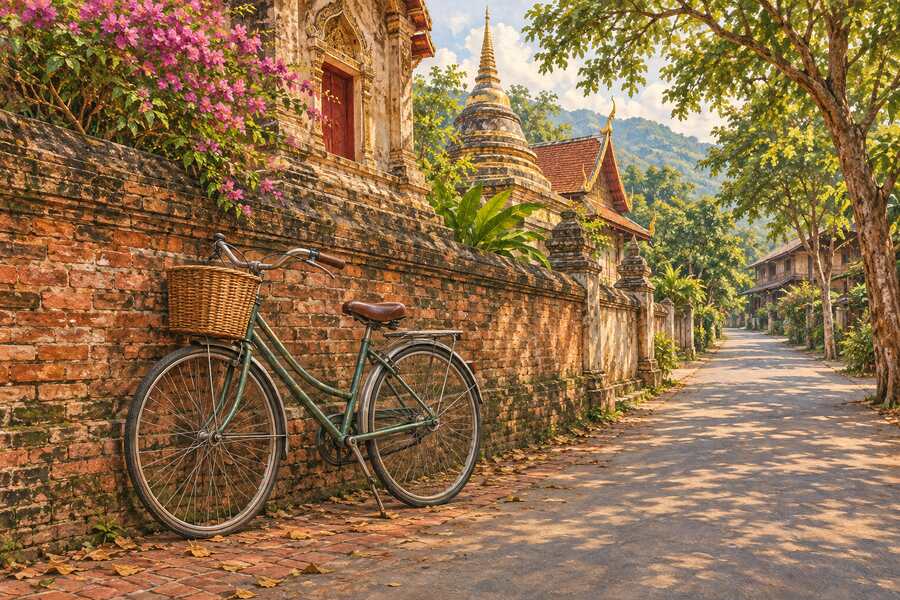
Slow travel is a simple idea. You stay longer in one place, move by bicycle, train or local bus where you can, and spend your money with local people. In Thailand, most visitors still go to the same few places. The Tourism Authority of Thailand (TAT) has tried to change that for years.
In January 2018, TAT launched a campaign called “Amazing Thailand Go Local”. According to the TAT Newsroom, the government approved tax measures to promote travel in 55 second-tier provinces. The aim was to “better balance the distribution of tourist arrivals between urban and rural areas”, even out the seasons and get more people to travel on weekdays. Sukhothai and Nan were both on the list of 55.
There is a link with France, too. In a 2026 report on the gap between Thailand’s big and small destinations, the Bangkok Post quoted an expert who said that faster, cheaper rail and bus links between major and secondary cities, “following the French model”, would help spread tourism more evenly. Anyone who has taken a regional train to Arles and a bus to a village like Fontvieille will understand the idea.
Sukhothai: cycling the first Thai capital
Sukhothai is a quiet province in the lower north of Thailand. Its old city is the heart of a World Heritage site that UNESCO inscribed in 1991, called the Historic Town of Sukhothai and Associated Historic Towns. UNESCO says Sukhothai was the capital of the first Kingdom of Siam in the 13th and 14th centuries, and that its monuments show “the beginnings of Thai architecture”.
The site has three parts. UNESCO gives their sizes as 7,000 hectares for Sukhothai, 4,514 hectares for Si Satchanalai and 338 hectares for Kamphaeng Phet. Si Satchanalai was the kingdom’s spiritual centre and the home of its ceramic export trade.
| Part of the World Heritage site | Area | Role in the kingdom |
|---|---|---|
| Sukhothai | 7,000 ha | Political and administrative capital |
| Si Satchanalai | 4,514 ha | Spiritual centre and ceramics industry |
| Kamphaeng Phet | 338 ha | Southern frontier and defence |
Source: UNESCO World Heritage Centre.
UNESCO also says the people of Sukhothai were skilled hydraulic engineers who built reservoirs and canals to fill the city moats, a theme visitors to the Roman mills at Barbegal will recognise.
How to visit Sukhothai Historical Park
The park is about 12 kilometres from the modern town of Sukhothai, opposite the Ramkhamhaeng National Museum, according to the government’s Thailand Tourism Directory. It lists opening hours of 8:30 to 16:30 every day and says you can explore on foot, by electric tram or by bicycle, with bicycles for rent. UNESCO adds that there is no through traffic in the parks, which keeps them calm.
Cycling is the classic slow way to see it. A TAT travel feature suggests exploring the park by bicycle past Wat Mahathat, Wat Si Chum and “countless historic stupas surrounded by towering trees”. Start early, before the heat, as you would on the Alpilles trails in summer.

The park is also where Sukhothai holds its Loi Krathong festival. The TAT events page lists a parade, a light and sound show and a traditional market. Check the date with TAT before you book, because the festival follows the lunar calendar.
Nan: a living old city in the north
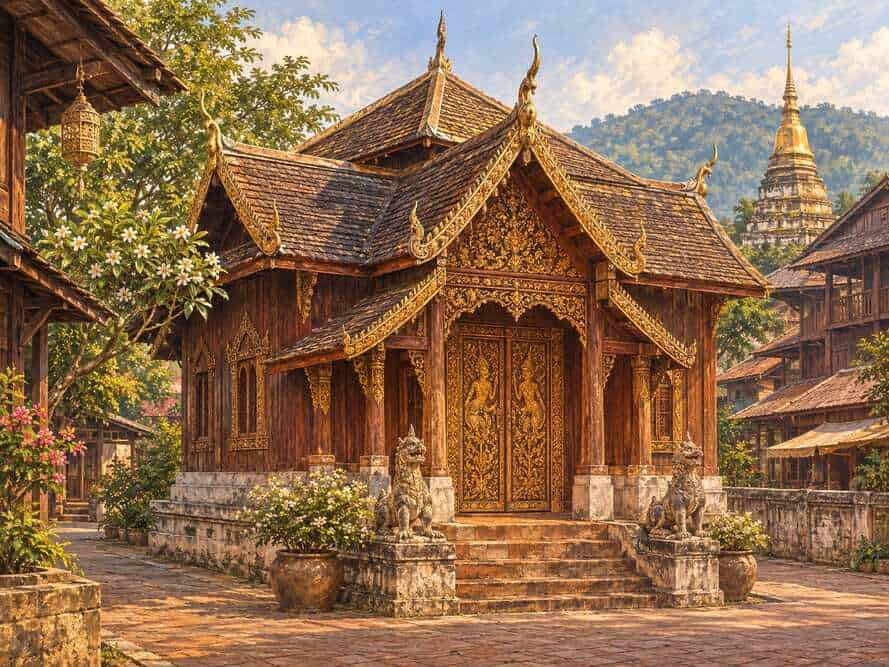
Nan is a small province on the border with Laos, in the far north of Thailand. Thailand’s agency for sustainable tourism, the Designated Areas for Sustainable Tourism Administration (DASTA), calls its capital a “living old city”. In a DASTA article, the agency says local people still live much as their grandparents did, and that old houses, temples such as Wat Phumin and Wat Phra That Chae Haeng, and old household objects are open for visitors to learn about local life.
Nan Old City was declared one of DASTA’s special tourism areas on 1 May 2012, according to the agency’s travel magazine, and it has won several awards since. DASTA’s 2025 report says Nan Living Old City won Thailand’s first Gold Award from Green Destinations in 2024, followed by Mueang Kao Sukhothai in 2025. So both provinces in this guide are recognised for how they manage tourism, not only for their sights.
A UNESCO Creative City of crafts
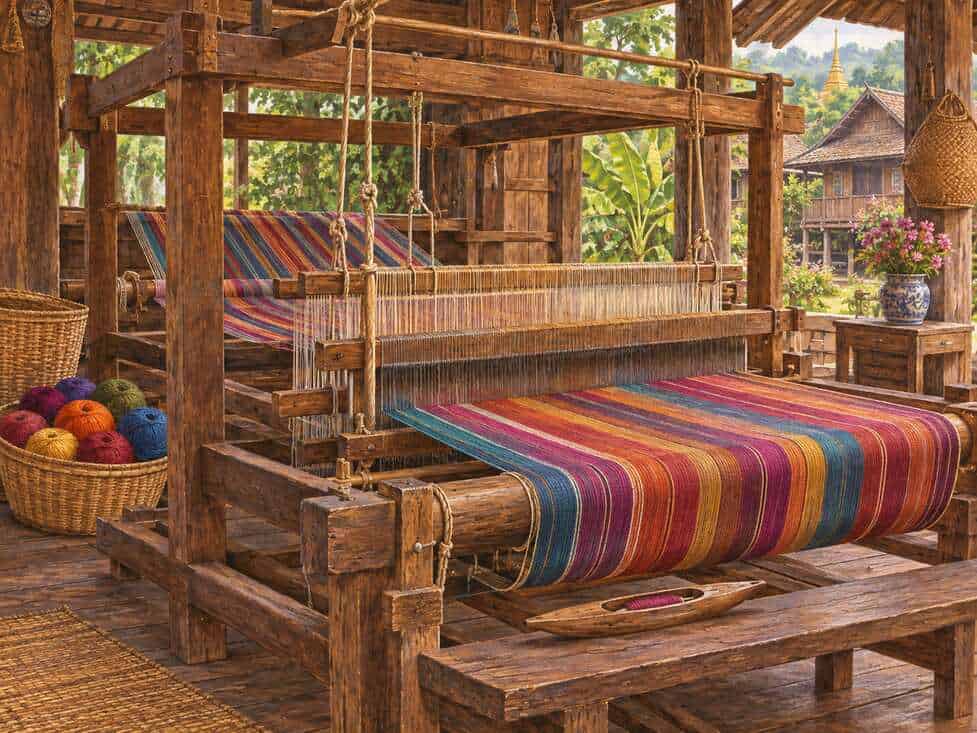
On 31 October 2025, UNESCO added Nan to its Creative Cities Network as a city of Crafts and Folk Art, one of 58 new cities in 41 countries, according to the Public Relations Department. The UNESCO page for Nan lists the crafts: weaving and embroidery, silverwork, basketry in bamboo and rattan, wood carving, mural painting and pottery. UNESCO says crafts make up about 4.4% of the province’s economy and that 386 registered cultural businesses worked in the sector in 2022.
For a visitor, that means you can watch the work being done, not only buy it. A 2026 government feature on Nan points to the murals at Wat Phumin, including the famous “Whisper of Love”, the ceramics, textiles and silver at the Nan National Museum, and the weaving at Ban Sao Luang. It also names the Kad Khuang Mueang walking street, where local food, crafts and performances come together.
For hotels, the best season and other things to do in the province, see ThailandWiki’s guide to Nan.
Bo Suak: a village stay near Nan
If you want the slowest version of the trip, stay in a village. Bo Suak is about 15 minutes from Nan town. In 2024 UN Tourism named it one of its Best Tourism Villages, and DASTA says it was the first village in Thailand to receive the title.
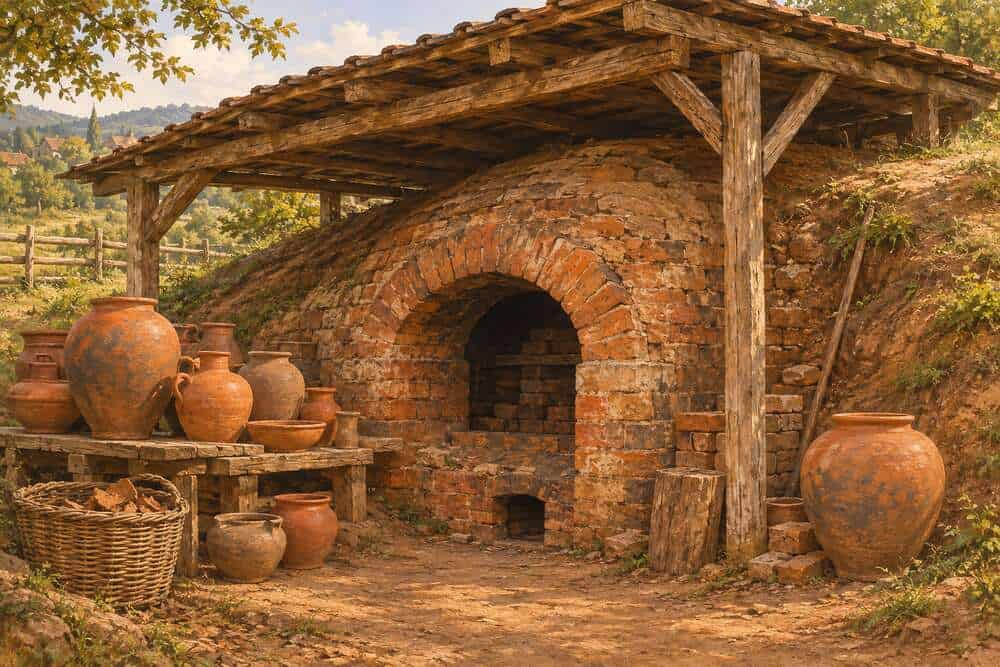
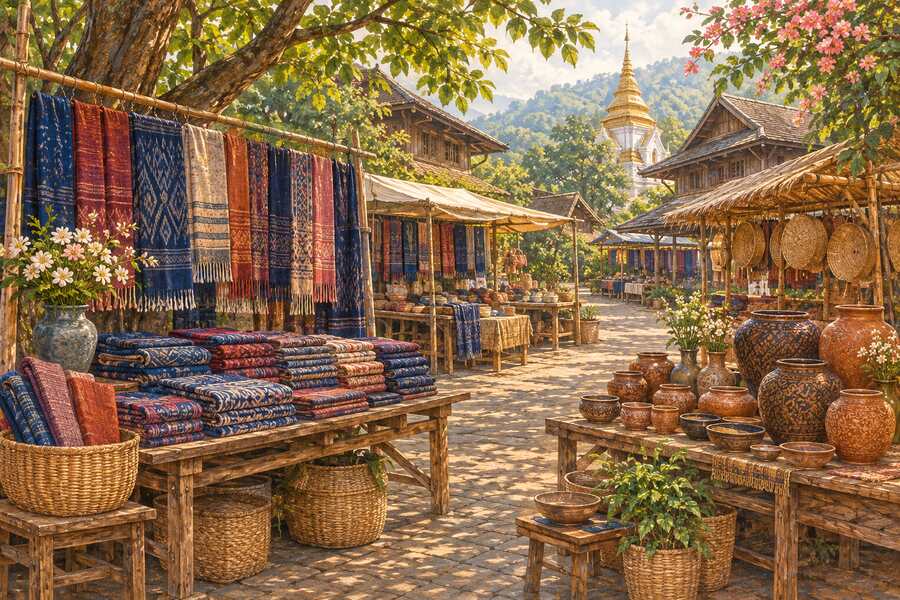
UN Tourism says Bo Suak is known for an ancient kiln about 750 years old. The discovery of the kilns led to a museum of the pottery found during excavations and helped revive local crafts. Pottery and weaving are central to village life, the community practises organic farming, and a local brand called Nan-Ner-Jaow helps women’s groups earn more from their textiles.
Planning a slow trip
- Pick two bases, not six. Sukhothai and Nan are both in the north, so they work well in one trip of a week or more.
- Use the official sources. Opening hours and festival dates change, so check the Thailand Tourism Directory and the TAT events calendar before you go.
- Buy from the makers. In Nan and Bo Suak, many crafts are sold by the people who make them.
Key takeaways
- Slow travel in Thailand means staying longer in fewer places, often in the provinces.
- Thailand has promoted 55 secondary provinces since TAT’s Go Local campaign in 2018, including Sukhothai and Nan.
- Sukhothai was the first capital of the Kingdom of Siam and has been a UNESCO World Heritage site since 1991.
- Nan became a UNESCO Creative City of Crafts and Folk Art on 31 October 2025.
- Bo Suak, near Nan, was Thailand’s first Best Tourism Village by UN Tourism, in 2024.
Common questions
What is slow travel in Thailand?
It means staying longer in fewer places, often in provinces away from Bangkok, Phuket and Chiang Mai, and travelling by bicycle, train or local bus where you can.
Is Sukhothai worth visiting?
Yes, for history. It was the first capital of the Kingdom of Siam and is a UNESCO World Heritage site, best seen by bicycle in the early morning.
What are the opening hours of Sukhothai Historical Park?
The Thailand Tourism Directory lists 8:30 to 16:30 every day. Bicycles can be rented at the entrance.
Why is Nan called a living old city?
Because local crafts, temples and daily life continue much as they did in the past. DASTA uses the phrase, and UNESCO named Nan a Creative City of Crafts and Folk Art in 2025.
Where is Bo Suak?
About 15 minutes from Nan town in northern Thailand. UN Tourism named it a Best Tourism Village in 2024.
What are Thailand’s secondary provinces?
A list of 55 provinces, including Sukhothai, Nan, Lampang and Loei, that the government has promoted since 2018 to spread tourism beyond the main cities.
How we put this together: The secondary-province campaign comes from the TAT Newsroom, and the comment on the French model from the Bangkok Post. Sukhothai facts come from UNESCO, the Thailand Tourism Directory and TAT. Nan facts come from DASTA, UNESCO and the Public Relations Department, and Bo Suak facts from UN Tourism. Checked in November 2026.
Sources
- TAT Newsroom: Amazing Thailand Go Local and the 55 provinces
- Bangkok Post: Tourism's two-speed economy
- UNESCO: Historic Town of Sukhothai and Associated Historic Towns
- Thailand Tourism Directory: Sukhothai Historical Park
- TAT: Ride, relax and reconnect in Sukhothai
- TAT: Sukhothai Loi Krathong festival
- DASTA: Fall in love with Nan, a living old city
- DASTA: Green Destinations awards
- DASTA travel magazine, issue 32 (December 2025)
- Public Relations Department: Nan and Songkhla join the UNESCO Creative Cities Network
- UNESCO Creative Cities Network: Nan
- Public Relations Department: Nan's living heritage
- UN Tourism: Best Tourism Villages, Bo Suak